LEADING SCHOOLS FORWARD
Decades of research establish what makes schools improve. Most leaders — and the programs that prepared them — have never been taught how to collectively create it. Culture.
The Work Before the Work
THE MISSING PIECE OF SCHOOL IMPROVEMENT
Leadership matters. Instruction matters. But sustainable improvement depends on the organizational conditions that shape trust, relationships, shared responsibility, and collective action.
Heavily Invested in Leadership and Instruction. Underinvested in What Makes It Stick and Last.
Building Sustainable School Improvement
THE MODEL
Compliance
Improvement rises and falls with individual leaders
Trust and coherence vary across teams
Meetings focus on logistics and mandates
Initiatives outpace organizational capacity
Improvement feels episodic or externally driven
Is your school built for compliance or commitment?
THE CORE DISTINCTION
Commitment
Shared purpose and responsibility endure
Trust, clarity, and support are strengthened
Meetings reinforce purpose and priorities
Systems strengthen alongside expectations
Continuous improvement becomes part of the culture
The Missing Piece of School Improvement
A CULTURE-FIRST SCHOOL FRAMEWORK
A research-grounded working framework for building improvement that endures through stronger organizational conditions.
New to the work? Start with the Executive Summary, then, if you want the research behind it, review the evidence and learning.
Rich is an educator, school leader, and doctoral researcher focused on the organizational conditions that help schools sustain improvement over time. In 2009, after leading the collaborative turnaround of three schools, K-12, he became increasingly interested in a question that followed him across schools and systems.
Why did improvement efforts so often depend on changing leaders, programs, initiatives, and mandates rather than a coherent framework for continuous improvement? That question ultimately led to the development of Leading Schools Forward in 2016.

ABOUT THE WORK
Rich Sinclair
The Influences
BEHIND THE WORK

Mukara Meredith
Founder of MatrixWorks and pioneer in helping organizations unlock collective intelligence and creativity. Her teachings and coaching transformed Rich's understanding of collaborative leadership & culture.

Ann Rhoades
Founder of People Ink and internationally recognized culture strategist. Her work in building commitment (vs. compliance) -centered organizations shaped the principles reflected across LSF.
Gayle Watson
Co-founder of People Ink and an organizational culture specialist. She helped Rich adapt their approach for K-12 education to build shared purpose, values, and organizational health.


Dr. Charles R. Coble
Internationally recognized authority on teacher preparation and educator development. Through years of conversation and challenge, he has helped galvanize LSF's value proposition.
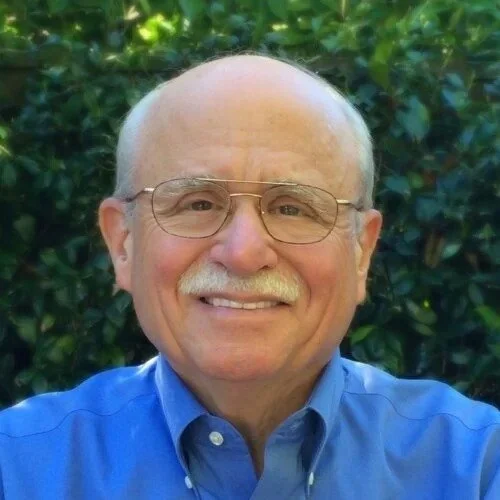
Christopher T. Cross
Nationally recognized education policy leader whose work has influenced American education for more than five decades. He has been a strong advocate for LSF's distributed leadership approach.
Dr. Neil Hawkes
Oxford-educated educator and international consultant pioneering values-centered school culture. His support and guidance have sharpened the continued development of LSF.


Pam Andrews
One of Rich's early teachers and the primary reason he went into education. Her commitment to students and belief in the transformative power of teaching continue to inspire the purpose of LSF.
Martin Terrell
Author and community leader who reflects the power of resilience, growth, and contribution. As a longstanding influence in Rich's life, his values and beliefs are reflected throughout LSF.
Want the view from inside the work? Hear from the educators and leaders who've experienced it →
Scholarship & Publications
PEER REVIEWED & PRACTITIONER WORK
Built for Continuous Improvement: Professional Accountability in the Academic (K-12) Setting
2023
Journal of Values-Based Leadership
2025
Colorado’s Alignment to Reduced Educator Turnover Based on the Work of Its Teaching and Learning Conditions Initiative
Educational Research: Theory and Practice
2026
Working Paper
Compliance to Commitment: A Culture-First School Framework
Leadership Before the Leader: How Principal Preparation Program Heads Perceive and Conceptualize Fostering Internal Cohesion in Schools
2027
DISSERTATION IN PROGRESS
Question, critique, or a school in mind?
Start the Conversation
CONNECT WITH RICH